
Why Learning Trajectories Matter in Practice
Learning trajectories have been part of early childhood conversations for some time, and many educators are now exploring what they mean for everyday practice. While developmental milestones continue to support our understanding of growth, learning trajectories offer another way to notice how learning unfolds across experiences, relationships, and play.
Rather than focusing on a single moment of achievement, trajectories encourage educators to step back and see the bigger picture. They highlight how skills and understanding build gradually as children explore, revisit ideas, and deepen their thinking through meaningful experiences.
Pause and notice: When you reflect on recent observations, are there moments where you can see learning building across several experiences rather than in one single activity?
What Is a Learning Trajectory?
A learning trajectory describes the pathway children move through as they develop knowledge and skills over time.
Instead of viewing learning as a series of isolated outcomes, trajectories help educators recognise the smaller steps that support growth. A child may begin by observing, then experimenting, and later adapting their approach as confidence develops. Each experience contributes to a broader learning journey.
Children may move at different paces across different areas, and development may appear uneven at times. Learning trajectories acknowledge this natural variation and support educators to recognise progress in authentic and meaningful ways.
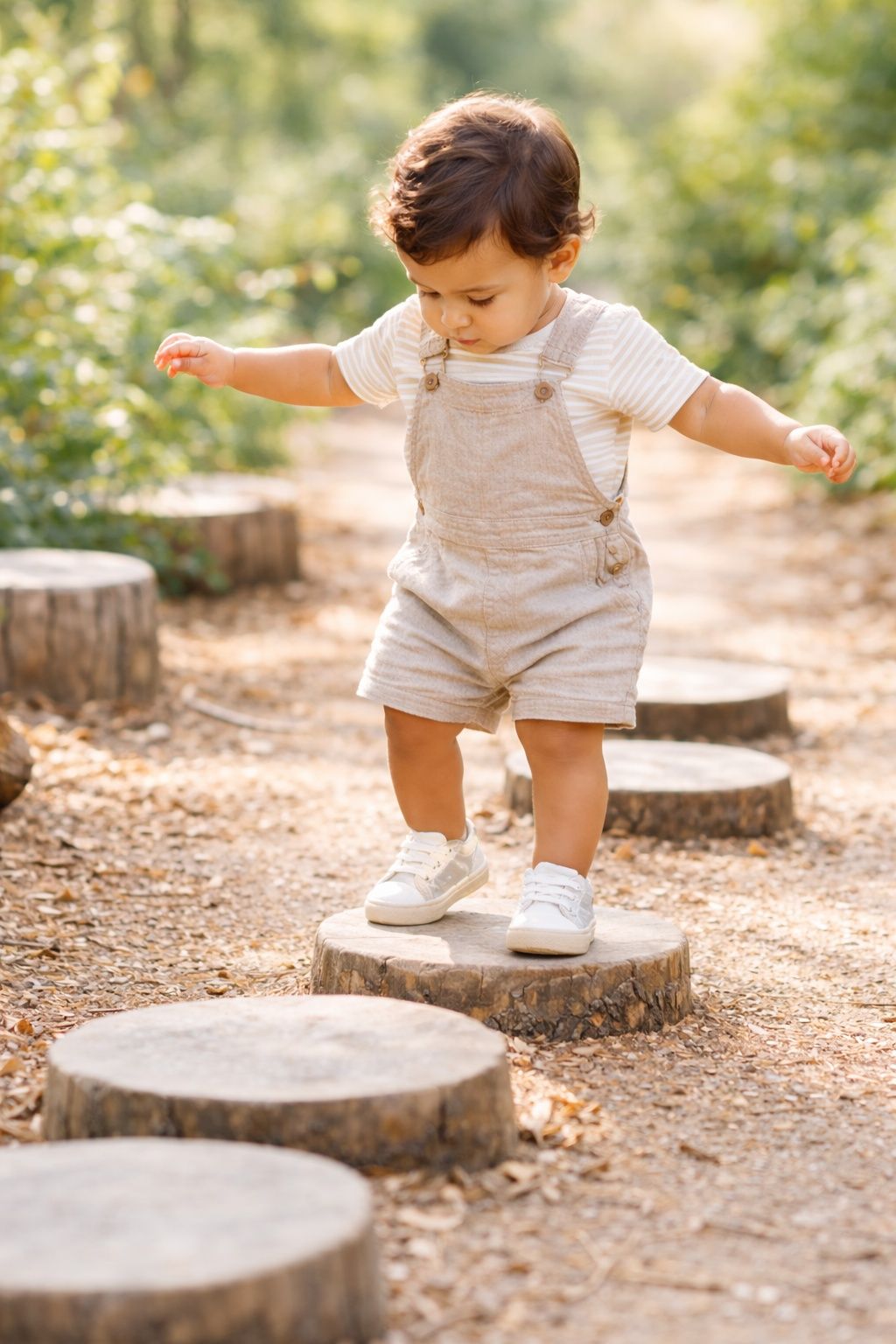
Learning Trajectories and Developmental Milestones
Developmental milestones can provide helpful reference points, particularly when building shared understanding with families. Learning trajectories sit alongside this thinking by focusing on progression rather than age expectations.
For example, social confidence might develop from observing peers, to joining play briefly, to initiating interactions independently. Seeing these moments as connected experiences helps educators notice how learning evolves rather than viewing development as a checklist.
Where Do We See Learning Trajectories?
Learning trajectories can be observed across many areas of development, including:
➤ Social and emotional learning
➤ Communication and language
➤ Executive function, such as planning, persistence, and self-regulation
➤ Problem-solving and early mathematical thinking
➤ Physical exploration and movement
Each child’s pathway will look different, and progression may appear more strongly in some areas than others. Recognising these differences helps educators respond to children as individuals.
Pause and reflect: Think about a child you work closely with. Where have you seen growth emerge gradually rather than all at once?
Examples of Learning Trajectories in Practice
Learning trajectories are not fixed stages, but educators often notice patterns of growth within different areas of learning.
➤ Social and Emotional Learning
A child may move from watching peers play, to joining briefly, to confidently participating in group interactions. Over time, they begin to negotiate roles, express ideas, and build deeper relationships.
➤ Executive Function and Self-Regulation
A trajectory might begin with open exploration, followed by attempting challenges independently, and later include planning actions before starting. Educators may notice longer periods of focus or a child returning to unfinished play with clear intention.
➤ Communication and Language
Language development might progress from gestures and sounds, to words, to sharing ideas through conversation or storytelling. These changes often happen gradually and look different for every child.
➤ Problem Solving and Early Mathematical Thinking
A child may begin with trial and error exploration, then start recognising patterns, testing strategies, and explaining their thinking. The focus shifts from correct answers to the process of learning.

Learning Trajectories and Schemas
Learning trajectories and schemas work beautifully alongside each other but describe different aspects of development. Schemas focus on repeated patterns of behaviour or play, while trajectories describe how learning progresses over time.
You may notice schemas within a trajectory. For example, a transporting schema may support the development of persistence, problem-solving, or social interaction. Together, these perspectives help educators understand both the patterns in play and the progression of learning.
How Do You Know You Are Seeing a Learning Trajectory?
Rather than looking for fixed stages, educators can notice patterns that develop across experiences.
You might be observing a trajectory when a child:
➤ Returns to familiar play with new ideas or increased confidence
➤ Spends longer periods engaged in an activity they previously explored briefly
➤ Begins to explain their thinking or plan before acting
➤ Moves from watching peers to actively joining play
➤ Shows growing persistence when something feels challenging
These subtle shifts often signal deeper development and help educators see learning as an evolving pathway.

Practical Ways to Support Learning Trajectories
Supporting learning trajectories does not require new programs or extra documentation. Often, it involves small adjustments to how we observe, plan, and respond to children’s learning.
Educators can support trajectories by:
➤ Allowing time for children to revisit and deepen familiar play
➤ Offering open ended materials that encourage exploration and flexible thinking
➤ Observing closely before stepping in so children can test their own ideas
➤ Extending learning through thoughtful questions rather than directing outcomes
➤ Documenting changes over time to highlight progression
A gentle reminder: Supporting trajectories often looks like slowing down, observing closely, and trusting the learning already unfolding in your environment.
A Final Reflection
Learning trajectories invite educators to look beyond single moments of development and notice the patterns that unfold over time. When we shift our focus towards progression, learning becomes a continuous story rather than a series of isolated achievements.
Many educators are already recognising these pathways through everyday observations and planning decisions. By naming and understanding learning trajectories, we simply bring greater clarity to the growth we witness each day and continue to support children in ways that honour their individual journey.
Happy Kinderlooping!
Follow along on our social pages to ensure you don’t miss out on all of the Kinderloop tips & hints, and learn about our new features!
Facebook
Instagram